
Every summer, the Atlantic coastline transforms into one of the most unique seasonal environments inEurope.
From the rugged coastlines of the UK and the long beaches of southwest France to the warm evenings of Spain, Portugal, the Canary Islands and Morocco, life along the Atlantic follows its own rhythm shaped by surf, travel, weather and outdoor living.
Across different countries, languages and landscapes, the Atlantic coast shares a common atmosphere — one built around movement, nature, ocean culture and life spent outdoors.
For many people, spending time along the Atlantic during summer becomes far more than simply a surf trip or seasonal escape. It becomes a completely different way of living.
The Rhythm of the Atlantic
Life along the Atlantic coast moves differently.
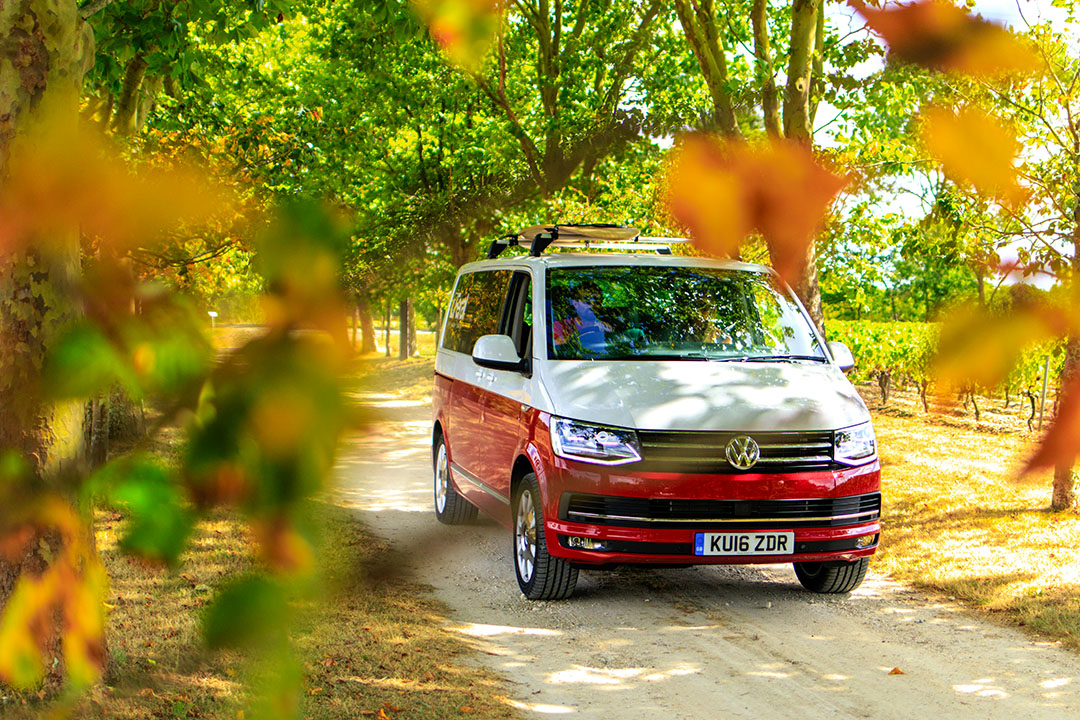
Mornings begin with surf checks, hanging forecasts and the constant question of where conditions will be best that day. Roads become lined with surfboards, wetsuits and travelling vans moving between beaches, coastal villages and hidden breaks.
Some days are shaped by perfect offshore winds and warm sunshine. Others bring heavy Atlantic storms, thick sea mist or sudden electric skies rolling across the coastline before disappearing again overnight.
The Atlantic constantly changes, and that unpredictability becomes part of its identity.
From France to Morocco
Along the southwest coast of France, places like Le Pin Sec and the wider Médoc region come alive during summer. Pine forests, endless beaches and long warm evenings create an atmosphere deeply connected to surf culture and seasonal living.
Further south through northern Spain and Portugal, the coastline shifts again. Small fishing towns, reef breaks, cliffs and sun-faded coastal roads become part of the landscape as surf culture blends with slower Mediterranean-influenced lifestyles.
Beyond mainland Europe, theCanary Islands and Morocco add another layer entirely. Volcanic coastlines, desert landscapes, warm Atlantic water and year-round surf conditions create nvironments that feel both raw and international at the same time.
Across all of these places, theAtlantic remains the common connection.
Outdoor Living
One of the biggest attractions of Atlantic life is how naturally people begin living outdoors.
Days become shaped by tides, weather, sunsets and movement rather than routines, offices or schedules.Wetsuits dry in the sun, surfboards stay strapped to vans and evenings driftbetween beach cafés, outdoor restaurants, campsites and late sunsets overlooking the ocean.
Whether spending summer in southwest France, travelling through Portugal or chasing winter swell inMorocco, the Atlantic lifestyle often revolves around simplicity:
* ocean
* weather
* movement
* nature
* people
* experience
For many people, this connection to outdoor living becomes difficult to walk away from.
Surf Culture Beyond Surfing
Although surfing sits at the centre of much of Atlantic culture, life along the coastline has always extended beyond just the sport itself.
Skateboarding, music, photography, travel, art, snowboarding and outdoor culture all naturally overlap within Atlantic communities. Surf towns become creative environments where different lifestyles and influences mix together through the shared connection of the ocean.
Long summers on the Atlantic coast often create friendships, routines and memories that continue long after the season ends.
The Atlantic State of Mind
What makes the Atlantic special is not simply the waves or locations themselves.
It is the feeling that exists across the coastline:
* freedom
* movement
* unpredictability
* connection to nature
* slower living
* outdoor culture
From the coastline of Cornwall nd southwest France to Portugal, the Canary Islands and Morocco, the Atlanticcontinues to attract people searching for something slightly different frommodern everyday life.
Something less controlled.
Less domesticated.
More connected to the natural world.
The Feral Connection
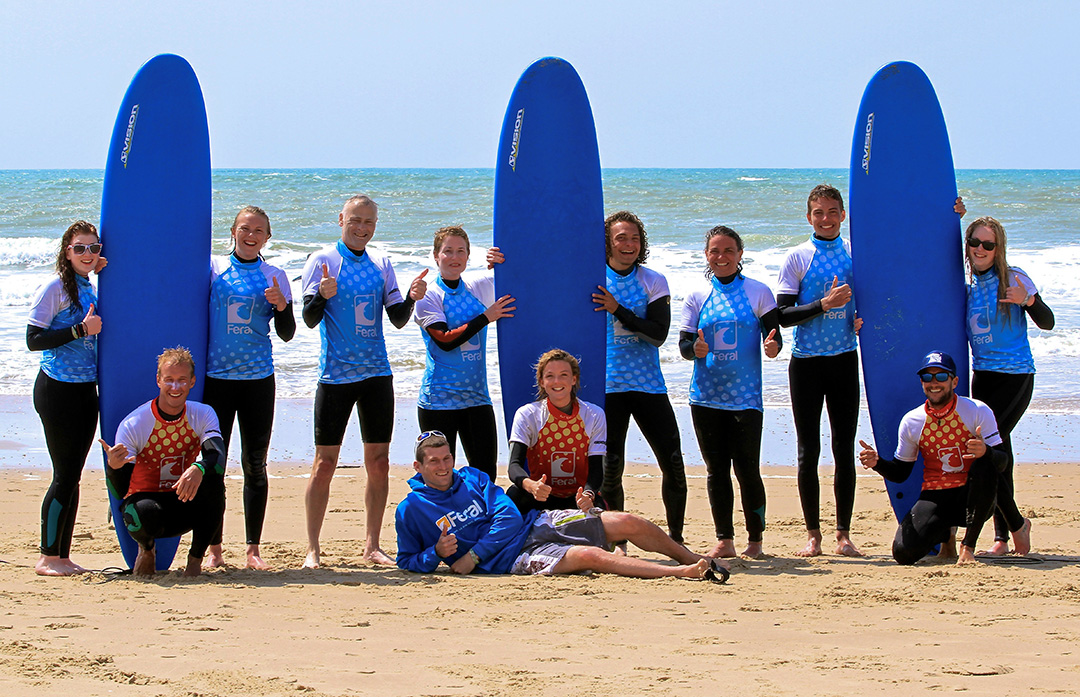
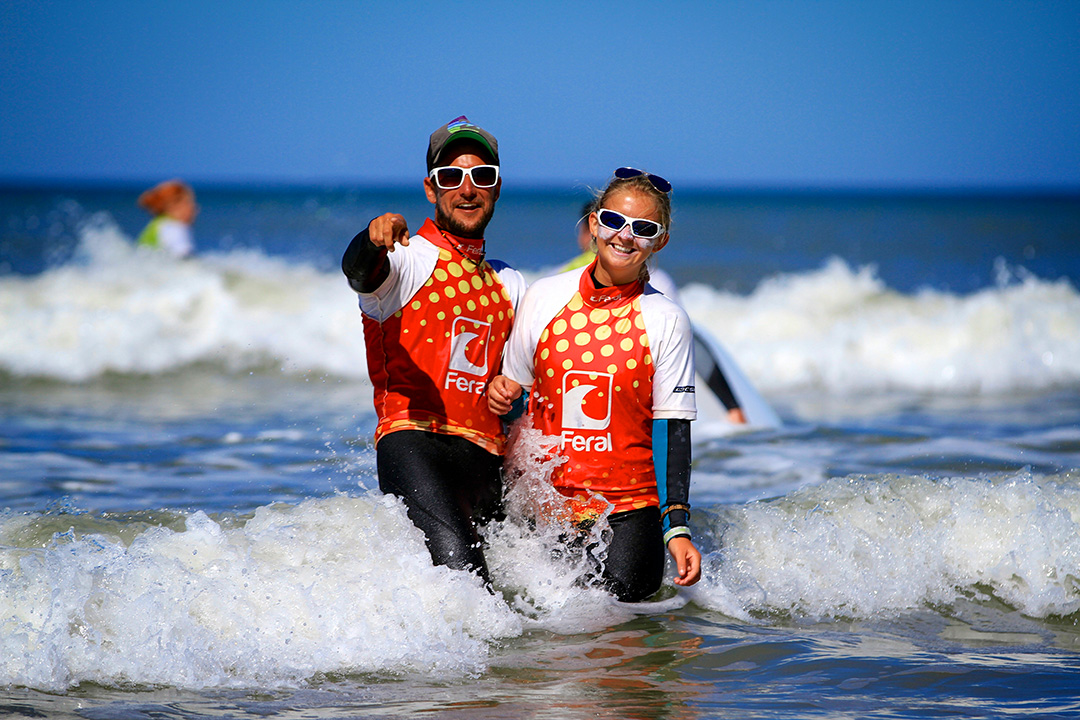
For more than 17 years, Feral -Surf Academy has operated between the UK and the Atlantic coast of Europe.
The Atlantic environment continues to shape the identity of the brand — from surf operations and nstructor training through to the wider culture, travel and apparel connectedto the Feral world.
Because ultimately, the Atlantic is more than simply a coastline.
For many people, it becomes part of who they are.